

Comprehensive Saltwater Pool System Repair and Service in New Orleans for Reliable Maintenance and Conversion
Enjoy reliable maintenance and exceptional service that keeps your pool sparkling.
.webp)
Expert Saltwater Pool Repair in NOLA
Saltwater pool systems use a salt chlorine generator commonly called a salt cell to produce chlorine from dissolved salt, delivering consistent sanitation with reduced handling of concentrated chlorine. This guide explains how saltwater systems work, what drives failures, and how targeted maintenance, cleaning, and professional repair preserve equipment life and water quality in New Orleans’ unique climate. Many pool owners face fluctuating chlorine production, scaling on electrodes, or corrosion accelerated by coastal humidity and storm runoff; this article shows practical diagnostics, preventative schedules, and conversion considerations to reduce emergency repairs and long-term costs. Readers will get step-by-step troubleshooting, a maintenance-plan comparison, salt cell cleaning and replacement guidance, conversion cost factors, and clear thresholds for when to call a licensed technician. Throughout the guide we integrate locally relevant advice and explain why certain tests and upgrades matter in the New Orleans environment. By the end you’ll understand routine tasks to keep a salt system reliable, how to interpret common error signs, and when to engage professional service to protect your pool investment.
Why Choose Water Wise Services for Saltwater Pool Repair and Maintenance in New Orleans?
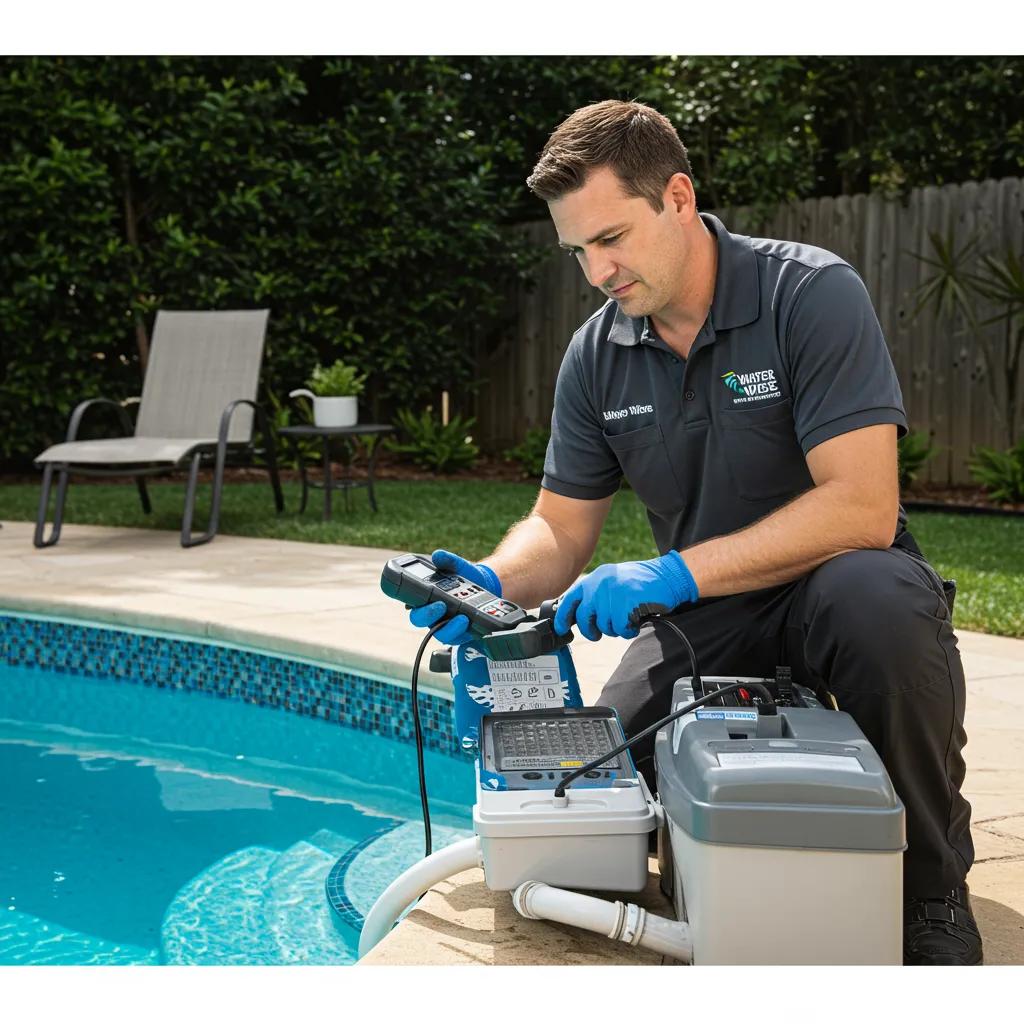
Saltwater pool reliability in New Orleans depends on local knowledge, fast diagnostics, and transparent repair practices that prevent unnecessary work while restoring chlorine production efficiently. Local technicians who understand humidity-driven corrosion, seasonal storm impacts, and regional water mineral content can recommend maintenance intervals and corrosion-resistant upgrades tailored to each pool. Advanced diagnostics—such as salt cell output testing, control-panel error analysis, and electronic leak detection shorten diagnosis time and reduce guesswork when troubleshooting systems that show low chlorine despite correct salt levels. For homeowners, a predictable pricing approach and documented inspection reports minimize surprise costs and clarify whether cleaning, repair, or replacement is the right course of action.
Water Wise Services brings focused local expertise, documented diagnostics, and a no-unnecessary-repairs policy to saltwater pool service in New Orleans. Their technicians use targeted diagnostic meters and electronic leak-detection tools to isolate issues quickly, then provide written estimates and photo-documented findings so homeowners can decide with confidence. As a locally owned, licensed, and insured pool service provider, Water Wise Services emphasizes transparent pricing and fast response for urgent issues; customers are encouraged to request an on-site inspection when persistent chlorine problems or electrical errors appear.
What Local Climate Factors Affect Saltwater Pool Systems in New Orleans?
New Orleans’ coastal humidity, frequent storms, and variable groundwater chemistry increase corrosive exposure and mineral scaling risk for saltwater components. High humidity and salt-laden air accelerate corrosion of metal fittings, while storm runoff and heavy rainfall introduce organic debris and change source-water mineral concentrations that affect scaling on electrodes. Seasonal storm preparations and post-storm maintenance—such as extra brushing, chemistry checks, and salt cell inspections help prevent long-term damage to the salt-chlorination system. Recognizing these local drivers allows technicians to recommend corrosion-resistant fittings, sacrificial anodes when appropriate, and adjusted inspection schedules that reduce emergency repairs and equipment failures.
How Does Water Wise Ensure Honest and Transparent Saltwater Pool Services?
Transparent service starts with a standardized diagnostic checklist, clear photo documentation, and a written estimate that separates parts, labor, and recommended maintenance actions. Technicians follow a stepwise reporting process: initial system scan, targeted tests (salt ppm, control-panel codes, pump flow), photographic evidence of wear or scaling, and a documented recommendation list that prioritizes safety and necessity. This approach prevents unnecessary component replacement and clarifies which fixes are short-term versus capital upgrades, so homeowners can budget effectively. Water Wise Services implements these transparency practices in every inspection, offering documented results and clear next-step options to empower homeowner decisions.
What Advanced Technologies Does Water Wise Use for Saltwater Pool Repairs?
Modern saltwater diagnostics rely on targeted meters, automation interfaces, and leak-detection gear to identify issues faster and with more precision than visual inspection alone. Salt cell diagnostic meters measure electrode output and confirm generator efficiency, while automation interfaces reveal historical error codes that pinpoint intermittent faults. Electronic leak detection and pressure testing localize plumbing failures that reduce flow or allow air intrusion, and pump-performance testing determines whether motor or hydraulic problems are present. Using these tools reduces downtime, avoids unnecessary part swaps, and enables precise recommendations for repair or replacement that extend system longevity.
How Does Licensing and Insurance Protect Your Saltwater Pool Investment?
Hiring licensed and insured technicians ensures that electrical, plumbing, and structural interventions meet local safety standards and reduce homeowner liability if an incident occurs during service. Licensing verifies technical competence for electrical and mechanical work while insurance covers accidental damage during repairs and protects homeowners from contractor negligence claims. Service agreements that document warranty terms and clear scopes of work further protect investments by setting expectations for follow-up and responsibility. When professionals operate with proper licensing and insurance, homeowners gain both technical assurance and legal protection, reducing risk during complex repairs like control-panel replacement or buried leak remediation.
What Are the Essential Saltwater Pool Maintenance Plans for Optimal Performance?
A proactive maintenance plan balances regular chemistry checks, mechanical inspections, and scheduled salt cell cleaning to sustain chlorine production and prevent scaling or corrosion. In New Orleans, recommended plans adapt frequency during storm season, increasing checks after heavy rainfall or wind events to avoid rapid chemistry swings and debris buildup. Maintenance tiers range by frequency and included services—weekly plans focus on cleaning and basic chemistry, monthly tiers add equipment diagnostics and salt cell inspections, and seasonal service includes start/close procedures and corrosion checks. Choosing the right tier depends on pool usage, local exposure, and homeowner comfort with DIY chemical adjustments.
Below is a practical comparison of maintenance plan tiers that helps owners choose an appropriate cadence and understand what each tier typically includes. pool services
This tiered comparison highlights how increased frequency includes more diagnostic coverage and preventive actions that reduce emergency repair risk. Selecting a plan based on local conditions and pool usage helps control long-term costs by avoiding premature part failures and maintaining steady chlorine production.
How Often Should Salt Cell Cleaning and Replacement Be Scheduled?
Salt cell cleaning intervals depend on local water hardness, cyanuric acid levels, and frequency of use; a common practice is cleaning every 2–6 months and replacing cells when output declines persistently. Hard water and high calcium hardness promote faster scaling, shortening cleaning intervals, while softer water reduces buildup and extends service life. Typical replacement timelines range between 3–7 years depending on maintenance history, unit brand, and operating hours; visible electrode erosion, persistent low chlorine, or repeated error codes often signal replacement time. Keeping a maintenance log with output measurements and cleaning dates helps determine an optimal schedule tailored to each pool’s conditions.
What Does a Comprehensive Saltwater Pool Maintenance Checklist Include?

A practical checklist organizes tasks by daily, weekly, monthly, and seasonal needs so owners and technicians can cover chemistry, mechanicals, and cell health without overlooking critical items. Key tasks include measuring pH and salt ppm, cleaning skimmer baskets, backwashing or cleaning filters, inspecting pump seals and motor temperature, and verifying automation settings and heater compatibility. Documenting these checks creates a maintenance history that reveals trends—like gradual salt cell output decline—that allow proactive intervention. Below is a concise maintenance checklist to use as a baseline for planning regular service.
- Daily: Test sanitizer level and clear visible debris.
- Weekly: Measure pH and salt ppm; clean skimmer baskets; vacuum as needed.
- Monthly: Inspect pump and filter, test cell output, backwash or clean filter.
- Seasonal: Full system inspection, corrosion checks, start/close procedures.
Regular adherence to this checklist prevents small issues from becoming costly repairs and supports consistent chlorination, which reduces algae risk and extends equipment life.
How Is Water Chemistry Balanced in Saltwater Pools?
Saltwater pools require the same core parameters as traditional pools—pH, total alkalinity, calcium hardness, cyanuric acid—alongside targeted salt ppm for generator efficiency; typical targets are pH 7.2–7.8, alkalinity 80–120 ppm, calcium hardness 200–400 ppm, CYA 30–80 ppm, and salt 2700–3400 ppm. pH adjustments are made using acid or alkali additions, while alkalinity is corrected with buffering agents to stabilize pH. Calcium hardness and CYA require periodic measurement and adjustment through dilution, chemical additions, or partial drains when imbalances persist. Local water sources and stormwater influence these parameters, so post-storm tests and adjustments are a routine part of New Orleans maintenance plans.
What Are the Benefits of Regular Saltwater Pool Maintenance?
Consistent maintenance preserves chlorine production, reduces scaling and corrosion, and lowers the total cost of ownership by avoiding premature replacement of expensive components. Well-maintained salt cells and pumps run more efficiently, consume less energy, and provide stable water clarity and sanitizer levels that reduce algae outbreaks and bathers’ exposure to contaminants. Preventive care also reveals small leaks or failing seals before they escalate into structural damage or major plumbing repairs. Investing in routine maintenance typically leads to fewer emergency calls and steadier long-term equipment performance.
How to Troubleshoot Common Saltwater Pool System Problems Effectively?
A structured troubleshooting approach begins with simple checks—power, salt level, automation settings—and progresses to targeted diagnostics for cell output, pump flow, and control-panel error codes. Start with verifying proper salt ppm and power to the chlorinator, then inspect the cell for visible scaling or electrode erosion. If basic checks pass yet chlorine remains low, measure cell output with a diagnostic meter and check pump flow and filter condition; low flow commonly limits chlorine distribution and may mimic cell failure. Escalate to professional electrical or leak diagnostics when errors persist after basic remediation.
Use this quick-reference troubleshooting table to map common symptoms to probable causes and immediate homeowner actions before calling a professional.
This table helps homeowners perform immediate corrective steps while clarifying scenarios that require professional diagnosis, saving time and preventing unnecessary part replacement.
What Are the Signs of Salt Chlorine Generator Malfunction?
Signs of generator malfunction include persistent low chlorine output, error codes on the control panel, visible mineral scaling reducing electrode exposure, and intermittent on/off cycling unrelated to set schedules. A diagnostic meter that measures cell output provides objective evidence of reduced performance and helps distinguish wiring or control issues from electrode degradation. If cleaning the cell and verifying proper salt ppm do not restore expected output, replacement or professional electrical diagnostics are usually required. Tracking the generator’s output over time reveals trends that indicate whether cleaning, repair, or replacement is the appropriate response.
How to Diagnose and Fix Saltwater Pool Pump and Filter Issues?
Diagnosing pump and filter problems follows a sequence: verify power and pump priming, inspect skimmer and pump baskets for obstruction, read filter pressure gauge for high or low readings, and perform backwash or cartridge cleaning as needed. High filter pressure typically signals a clogged filter that requires backwashing or cartridge cleaning, while low pressure can indicate air leaks, closed valves, or pump suction issues. Unusual motor noise or persistent seal leaks point to mechanical failures that usually require professional motor or seal replacement. Regular monitoring and simple maintenance like basket cleaning and timely backwashing keep hydraulic performance within optimal ranges and protect the chlorinator from flow-related issues.
What Causes Saltwater Pool Water to Become Cloudy or Algae-Prone?
Cloudy water and algae growth usually stem from chemical imbalance, inadequate sanitizer production, or poor filtration and circulation that allow nutrients and particulates to accumulate. Low chlorine production—whether from a fouled salt cell or insufficient pump flow—reduces sanitizer residual and enables algae proliferation; high pH also reduces chlorine effectiveness. Corrective steps include testing and adjusting chlorine, pH, and alkalinity; shocking the pool when necessary; and ensuring filters are clean and running long enough to cycle the pool volume. Consistent brushing, vacuuming, and skimming remove organic matter that fuels algae, and restoring proper chlorinator output resolves many persistent clarity problems.
When Is Professional Saltwater Pool Repair Necessary?
Professional intervention is necessary for electrical faults, persistent low chlorine after basic troubleshooting, suspected plumbing leaks, or visible structural damage that home methods cannot resolve safely. Red flags include control-panel error codes that persist after resets, repeated low-output readings following cleaning, unexplained pressure loss, and signs of corrosion on heaters or metallic fittings. Licensed technicians use advanced diagnostics—electrical testing, pressure/leak localization, and flow-performance analysis—to identify root causes and perform repairs safely. Calling a professional when these red flags appear prevents dangerous DIY electrical work and reduces the risk of further damage to pumps, heaters, and automation systems.
What Does Salt Cell Cleaning and Replacement Service Involve?
Salt cell maintenance restores electrode surface area and chlorine production through safe cleaning procedures, inspection for physical degradation, and measured testing of cell output before and after service. Cleaning removes calcium and mineral scale that blocks the electrode plates, while inspection can reveal electrode pitting or damaged housing that mandates replacement. A professional service follows a predictable workflow: power isolation, cell removal according to manufacturer guidance, inspection and controlled descaling when appropriate, reinstallation, and output verification to confirm restored performance. Documented before-and-after measurements provide transparency and show whether cleaning was sufficient or replacement is warranted.
Below is a comparison of typical salt cell brands and recommended maintenance characteristics to guide replacement decisions.
This comparison underscores that lifespan varies with water conditions and maintenance, and choosing the right replacement requires matching OEM specifications to the existing control system.
Why Is Regular Salt Cell Cleaning Critical for Chlorine Production?
Mineral scaling on electrode surfaces reduces the effective area for electrolysis, causing progressive drops in chlorine output and forcing the generator to run harder for the same result. Regular cleaning restores electrode exposure, improves cell efficiency, and postpones costly replacement by removing calcium and mineral deposits that accumulate in high-mineral or high-CYA environments. Restored output also stabilizes sanitizer levels and reduces algae risk, which decreases the need for shock treatments. Consistent cleaning schedules based on measured output maintain system performance and reduce total lifecycle costs for the generator.
What Is the Step-by-Step Process for Salt Cell Cleaning?
Safe cleaning begins with power isolation, followed by careful removal of the cell per manufacturer instructions, visual inspection for cracks or pitting, controlled descaling with manufacturer-approved solutions, thorough rinsing, and reinstallation with output verification. Always power down the system and follow the controller manual to avoid electrical hazards or warranty violations. After reinstallation, technicians measure cell output and observe operation for several minutes to confirm restored production and check for leaks. If cleaning does not restore expected output, documented evidence supports a recommendation for replacement.
When Should You Replace Your Salt Cell and Which Brands Are Recommended?
Replace a salt cell when cleaning no longer restores chlorine output to expected levels, when electrodes show physical erosion, or when manufacturer output curves indicate significant degradation; common replacement windows range from about 3 to 7 years depending on conditions. Choosing a replacement should prioritize OEM compatibility, warranty coverage, and proven performance in local water conditions; many major brands perform reliably but selection should align with the pool’s controller and plumbing layout. When replacing, document output benchmarks and installation details to support future maintenance planning and warranty claims.
How Does Water Wise Perform Salt Cell Troubleshooting and Repairs?
Water Wise follows a diagnostic workflow that begins with a visual and electrical scan, then measures salt ppm, cell output, and control-panel codes to determine whether cleaning, repair, or replacement is required. Their technicians perform controlled descaling when appropriate, verify restored output with diagnostic meters, and document all findings with before/after photos and written recommendations. If replacement is necessary, Water Wise presents OEM-compatible options and a transparent cost estimate, then schedules professional installation and post-installation balancing to return the pool to stable operation. Homeowners receive clear documentation of the work performed and recommended follow-up to sustain performance.
How Can You Convert Your Traditional Pool to a Saltwater Pool System?
Converting to a saltwater system involves assessment of current equipment, selection of a compatible chlorinator and any necessary pump or heater upgrades, installation of the salt chlorinator, and thorough water balancing and startup testing to establish correct salt ppm and chemical targets. The benefits include gentler-feeling water and reduced handling of concentrated chlorine products, but conversion has upfront equipment costs and may require corrosion mitigation for metal fittings exposed to saline conditions. A typical conversion process includes a site assessment, equipment selection, professional installation, and follow-up balancing visits to ensure stable chlorine production and equipment compatibility.
Converting requires understanding cost drivers and equipment needs, and homeowners should plan upgrades for pumps, heaters, and fittings that are compatible with the salt environment to avoid premature failures.
- Assessment: Evaluate current pump, heater, automation, and plumbing compatibility.
- Equipment Selection: Choose a chlorinator sized for pool volume and compatible with existing controls.
- Installation: Mount chlorinator, plumb cell, and connect automation; verify electrical safety.
- Startup & Balancing: Fill salt to target ppm, balance chemistry, and verify steady output.
These steps ensure the conversion yields expected operational benefits and long-term reliability.
What Are the Benefits of Converting to a Saltwater Pool?
Saltwater pools typically offer gentler-feeling water with lower perceived odor from chlorine and reduced handling of concentrated chlorine products, which many homeowners find more convenient. Over time, chemical costs may be lower depending on usage and local water characteristics, though upfront equipment and installation costs can be significant. Salt systems still require routine chemistry management and cell maintenance, so conversion trades some chemical handling for mechanical upkeep. Evaluating long-term operating costs against initial investment and local water chemistry will determine if conversion is the right choice for a particular pool.
What Is the Saltwater Pool Conversion Process with Water Wise Services?
Water Wise begins conversions with a site assessment to confirm pump and heater compatibility and to recommend a chlorinator sized for the pool, then schedules professional installation and initial balancing visits to confirm salt ppm and stable chlorine production. Their workflow includes documentable checks of electrical connections and automation integration, followed by a post-installation verification period to monitor chlorine output and adjust dosing as needed. This structured approach reduces startup problems and provides homeowners with a clear service timeline and documented results after conversion.
How Much Does Saltwater Pool Conversion Cost in New Orleans?
Conversion cost depends on chlorinator model, labor, and any additional upgrades needed for pump, heater, or corrosion mitigation; ranges vary with pool size and condition and are best determined by on-site quote. Major cost drivers include the selected chlorinator’s capacity, any required electrical upgrades, and replacement of incompatible fittings or older pumps that might fail in a salt environment. Homeowners should request a detailed on-site assessment to obtain an accurate estimate and to identify preventive upgrades that reduce future repair risk.
What Equipment Upgrades Are Needed for Saltwater Pool Conversion?
Typical upgrades include ensuring the pump and heater are compatible with saline operation, replacing corrodible metal fittings with corrosion-resistant materials, and integrating automation controls for chlorinator management. Compatibility checks may reveal older pumps or heaters that lack recommended materials or controls, which should be upgraded to prevent premature failure. Installing sacrificial anodes or corrosion-resistant fittings in exposed areas can mitigate salt-air corrosion in coastal environments. Proper equipment selection and corrosion mitigation are essential steps to protect the investment after conversion.
What Are the Most Frequently Asked Questions About Saltwater Pool Repair and Service?
This FAQ-style section answers common buyer concerns about service frequency, necessary chemicals, maintenance complexity, diagnostic signs of chlorinator failure, and emergency service availability. Clear, concise responses help homeowners decide when to perform DIY checks and when to engage professional help. Each answer focuses on practical thresholds and prioritizes safety and documented diagnostics to preserve equipment value. For questions that indicate potential electrical faults, leaks, or persistent low output after basic troubleshooting, professional service is recommended.
How Often Should I Service My Saltwater Pool System?
Baseline service includes monthly chemistry and equipment checks with salt cell cleaning every 2–6 months depending on water hardness and use, and weekly checks during heavy use or after storms. Weekly owner checks typically cover visible debris removal, basic sanitizer checks, and skimmer cleaning, while monthly technician visits include filter maintenance, pump inspection, and cell output verification. Seasonal procedures at start-up and close-out protect equipment during extreme weather and adjust settings for temperature and usage shifts. Maintaining a log of tests and maintenance dates helps refine interval timing for each pool.
What Chemicals Are Needed for Saltwater Pool Water Balance?
Even with a salt chlorinator, pools require pH increasers/decreasers, alkalinity buffers, calcium hardness increasers, cyanuric acid adjustments, and occasional algaecide or shock agents to manage unusual contamination. Salt provides the source for chlorine production, but pH and alkalinity control remain essential because electrolysis and environmental factors shift these parameters. Proper dosing and safety practices preserve the generator’s function and reduce scaling; professional testing ensures accurate measurements and correct corrective steps. Using appropriate chemicals in measured amounts prevents overcorrection and protects equipment.
Is a Saltwater Pool Easier to Maintain Than a Chlorine Pool?
Saltwater pools reduce handling of concentrated chlorine and can steady sanitizer levels, but they still require regular water chemistry management and mechanical maintenance of the chlorinator, pump, and filters. Upfront equipment cost is higher compared with basic chlorine systems, but some homeowners see lower ongoing chemical costs depending on usage and local water. Local water chemistry and exposure to storms or salt air influence maintenance intensity—coastal and storm-prone settings may require more proactive corrosion and scaling measures. The perceived ease depends on expectations: less direct chlorine handling, but continued diligence in cell cleaning and system diagnostics.
How Do I Know If My Saltwater Chlorinator Is Failing?
Diagnostic signs include persistent low chlorine despite correct salt ppm, visible electrode damage or heavy scaling that cleaning does not correct, and recurring control-panel error codes or inconsistent cycling. Perform initial checks—verify salt level, inspect the cell visually, and review automation schedules—before concluding failure. If output measurements remain low after cleaning and flow checks, replacement or professional electrical diagnosis is typically required. Keeping records of output and cleaning events makes it easier to identify performance decline and justify replacement decisions.
Can Water Wise Services Handle Emergency Saltwater Pool Repairs?
Water Wise Services provides emergency response for urgent issues such as electrical faults, major pump or heater failures, and suspected leaks that cause rapid loss of water or sanitizer function. Emergency scenarios typically involve immediate safety and equipment protection steps followed by targeted diagnostics to isolate the fault. Homeowners should document symptoms and any error codes before contacting the service to accelerate diagnosis. Water Wise offers rapid response and documented recommendations to stabilize systems and schedule full repairs.
For immediate assistance, homeowners are encouraged to request an on-site inspection through Water Wise Services’ standard contact channels and to reference recent symptoms and any control-panel error codes for fastest triage.
Which Areas in New Orleans and Surrounding Regions Does Water Wise Serve for Saltwater Pool Services?
Water Wise Services operates across New Orleans and nearby communities, tailoring service schedules and maintenance recommendations to local climate, soil, and exposure differences that influence corrosion and scaling risks. Local service provides faster response times during storm season and enables technicians to apply region-specific best practices—like additional post-storm balancing and corrosion mitigation—based on neighborhood exposure to salt air or runoff. Homeowners can request a free on-site quote detailing recommended maintenance plans, equipment compatibility assessments, and corrosion-prevention options to protect their pools in the local environment.
How Does New Orleans’ Soil and Climate Impact Saltwater Pool Maintenance?
Salt air, high humidity, and storm runoff accelerate corrosion of metal components and promote mineral scaling on salt cells, requiring corrosion-resistant fittings and adjusted maintenance schedules. Heavy rains and storm events cause rapid shifts in water chemistry, necessitating immediate testing and balancing after significant weather to avoid algae blooms and equipment stress. Urban soil salinity and groundwater mineral content can also contribute to electrode scaling, so technicians often recommend more frequent salt cell inspections in affected areas. Combining corrosion mitigation measures with scheduled checks reduces emergency repair frequency in this climate.
What Are the Benefits of Choosing a Locally Owned Saltwater Pool Service Provider?
A locally owned provider delivers faster on-site response, practical knowledge of neighborhood climate effects, and established relationships with suppliers for compatible replacement parts when needed. Local technicians understand which neighborhoods require more corrosion-resistant components and can prioritize preventive measures accordingly, reducing downtime and long-term repair costs. Choosing local service simplifies follow-up visits and accountability for warranty work, while regionally adapted maintenance plans address specific risks like storm-season debris and salt-air exposure. This proximity and local knowledge improve repair outcomes and long-term pool resilience.
How to Request a Free Quote for Saltwater Pool Repair and Maintenance?
Prepare basic pool information—pool size, current equipment make/model, recent symptoms or error codes, and photos of the equipment area—to help technicians deliver an accurate on-site estimate. Request a quote through Water Wise Services’ contact channels and provide details about recent maintenance history and any observed performance issues to prioritize diagnostic checks during the visit. After scheduling, expect a professional inspection that documents findings, provides a written estimate with recommended actions, and outlines follow-up balancing or installation steps if conversion or replacement is advised. This process ensures clear communication and a transparent path to restoring reliable pool operation.

.webp)

.webp)